Research
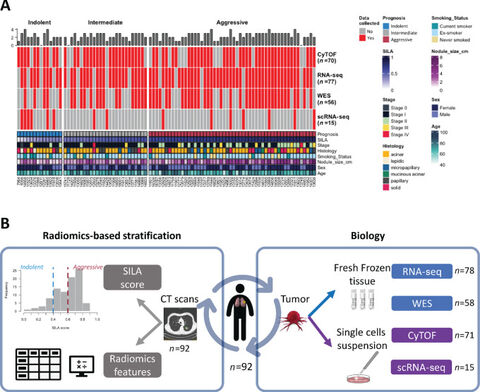
Our lab studies the relationship between patients and cancer, focusing on how the immune system and the tumour interact. Our goal is to understand how variability in the patients, in the tumours, and in their interactions affects the efficacy of cancer therapies throughout computational approaches that include data science, mathematical modeling, network theory and systems biology.
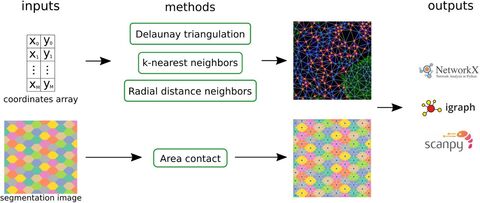
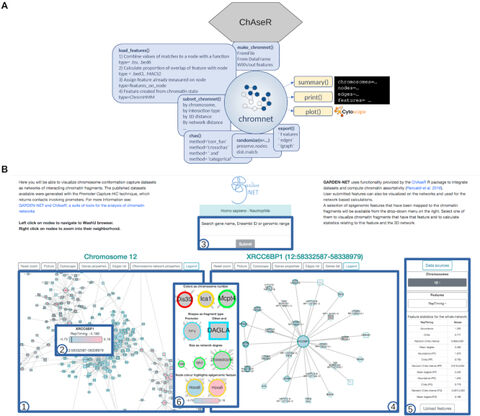
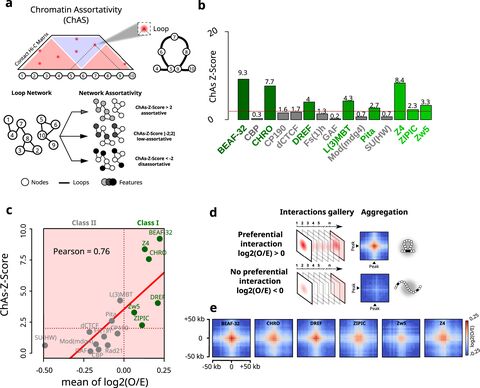
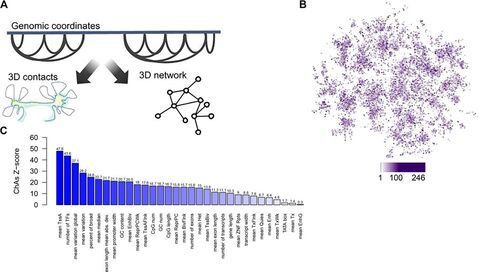
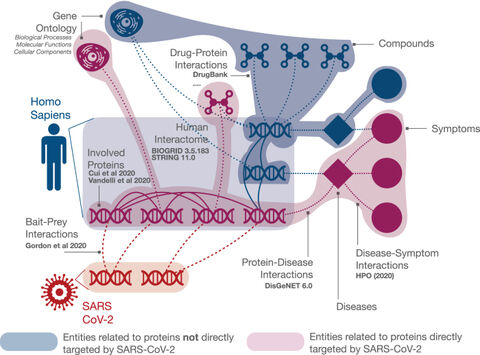
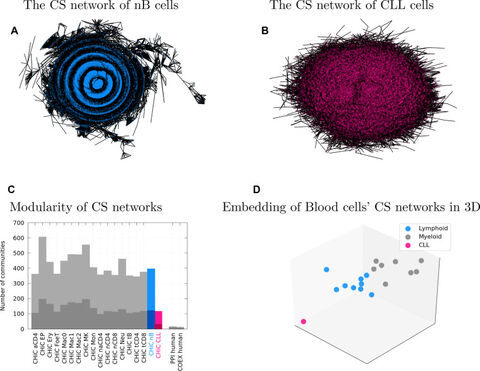
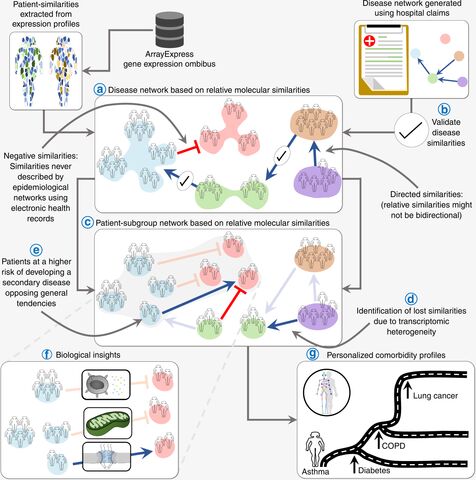
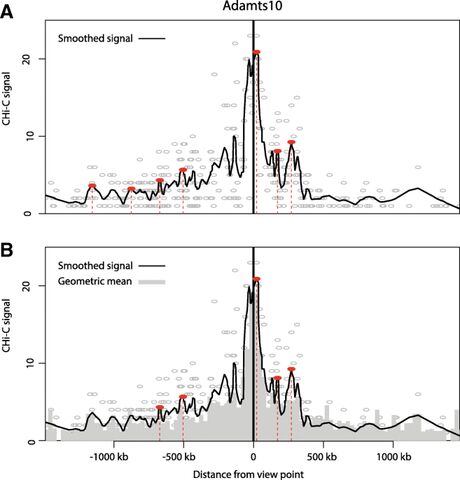
Networks are a useful framework for systems where relationships between objects matter, and what we learn about one network often helps us understand a completely different one. We apply network models to study complex systems as networks of patient–patient similarity, 3D interaction between genes in the nucleus and the interactions between cell types in a tumour.
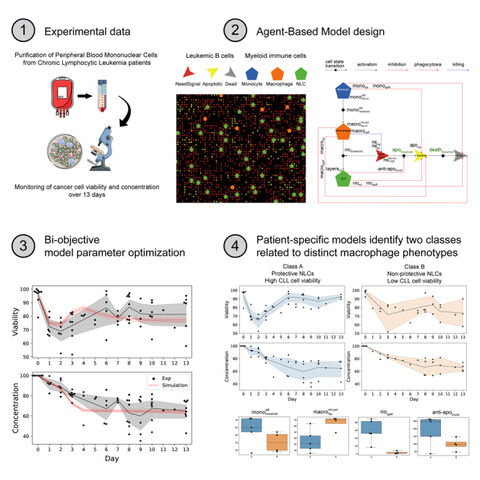
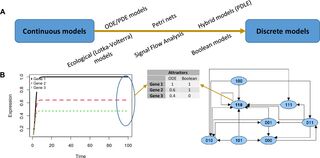
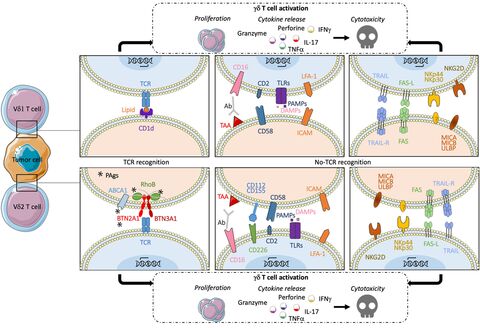
There are many contexts within the body that are characterised by a heterogeneous mix of cell types. In tissues, complex relationships between cell types establish ‘ecological networks’ whose properties reflect the equilibria that define health against disease. In tumours, cancer cells are surrounded by extremely heterogeneous cell populations, including stromal and immune cells, whose spatial patterns and specific interactions strongly impact response to therapies and patient outcomes. Simulating the complex interactions of these cells in our computers, both at the molecular and intercellular level, offers the possibility to study these systems in a multitude of scenarios. This is an excellent way to formulate new hypotheses and allows better use of our experimental resources.
Characterise
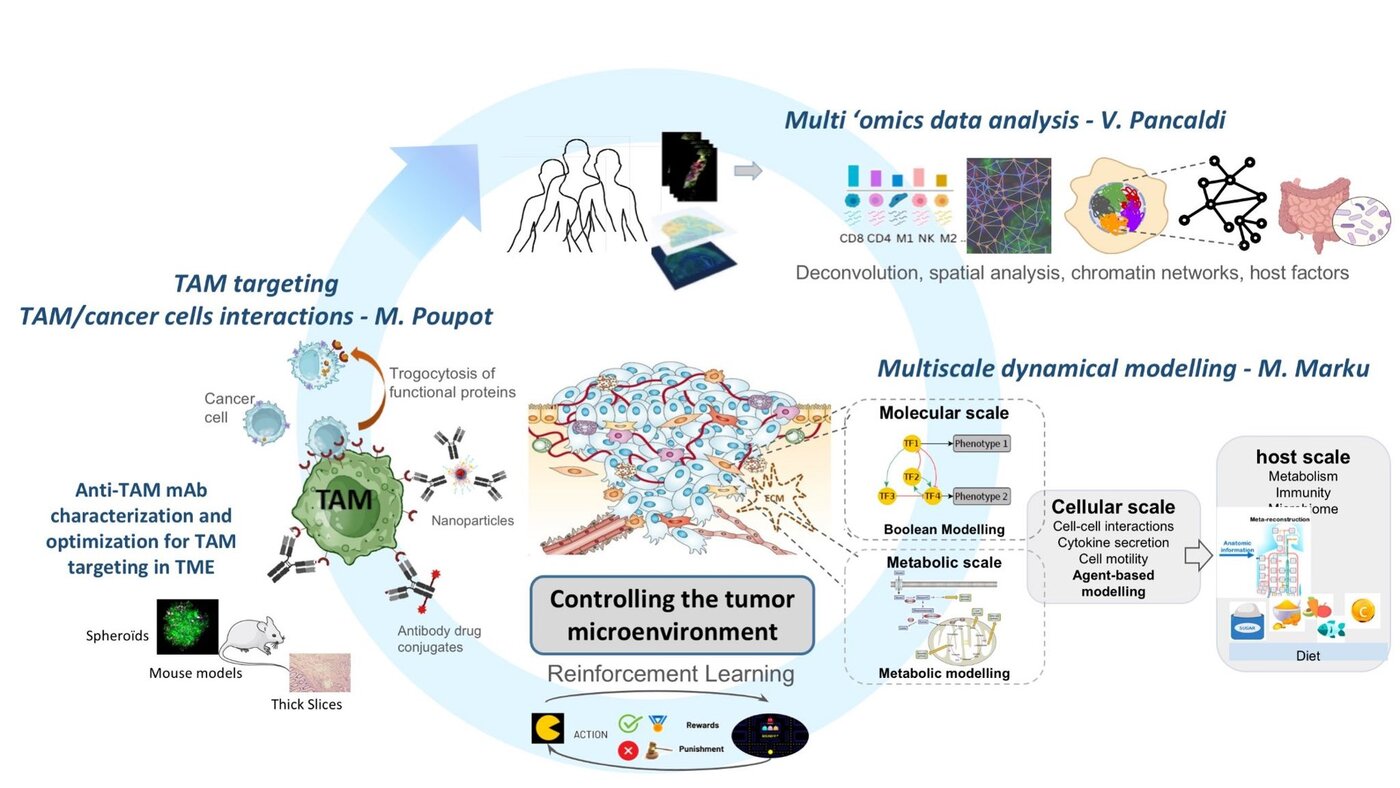
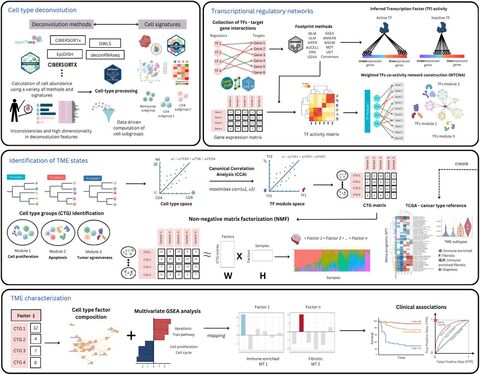
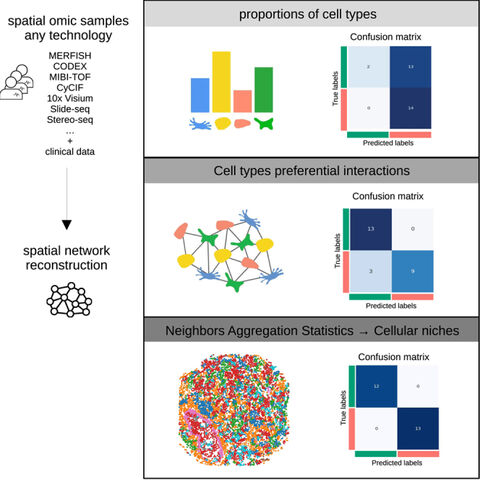
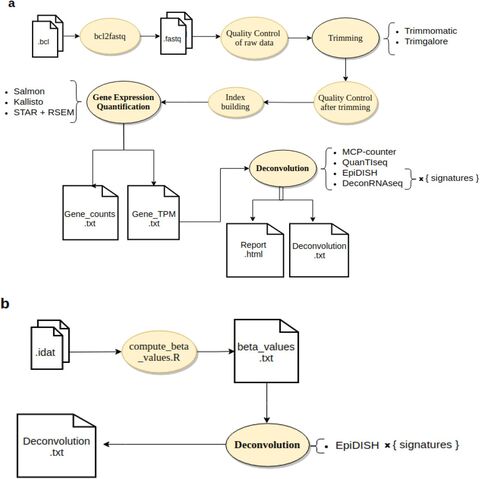
Cell populations and their interactions in the tumour microenvironment (TME) considering cell–cell communication networks and spatial patterns as extracted from transcriptomics (both bulk and single-cell) or spatial omics and imaging produced from patient samples as well as their epigenomic landscape.
Simulate
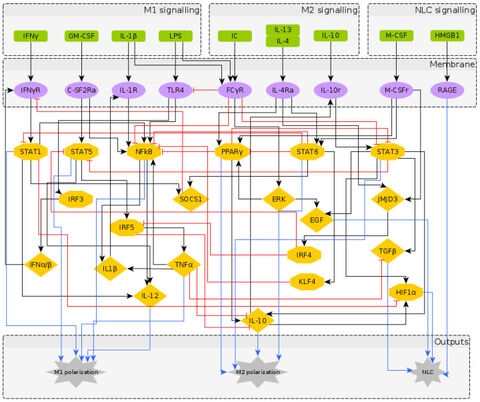
Dynamic cell processes and inter-cellular interactions in the TME involving cancer, immune and stromal cells, exploiting mathematical models in different scales (molecular, cellular, etc.) of in vitro (2D/3D) and in vivo cancer models.
Control
Develop strategies to reprogram the TME and improve sensitivity of cancer cells to treatments, exploiting an in-house patented monoclonal antibody targeting tumour-associated macrophages, identifying new strategies for TME reprogramming, and expanding our point of view to patient characteristics (immune fitness, microbiome, exposures, etc.)
Projects
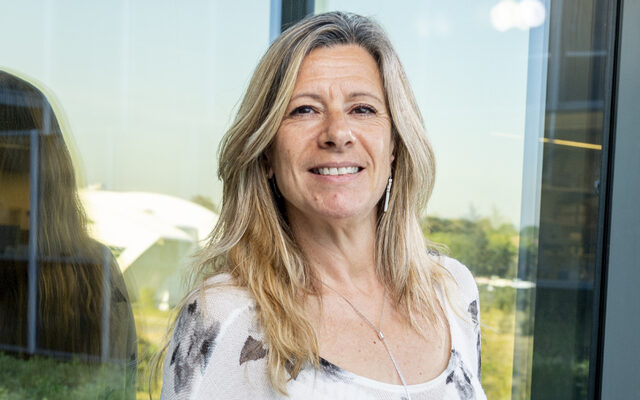
Experimental studies on cellular interactions in the microenvironment
Led by Mary Poupot
Read more →Highlighted
All publications
2026
2025
2024
2023
2022
2021
2020
2019
2016
No publications match your search.